
NEWS & ACTIVITIES
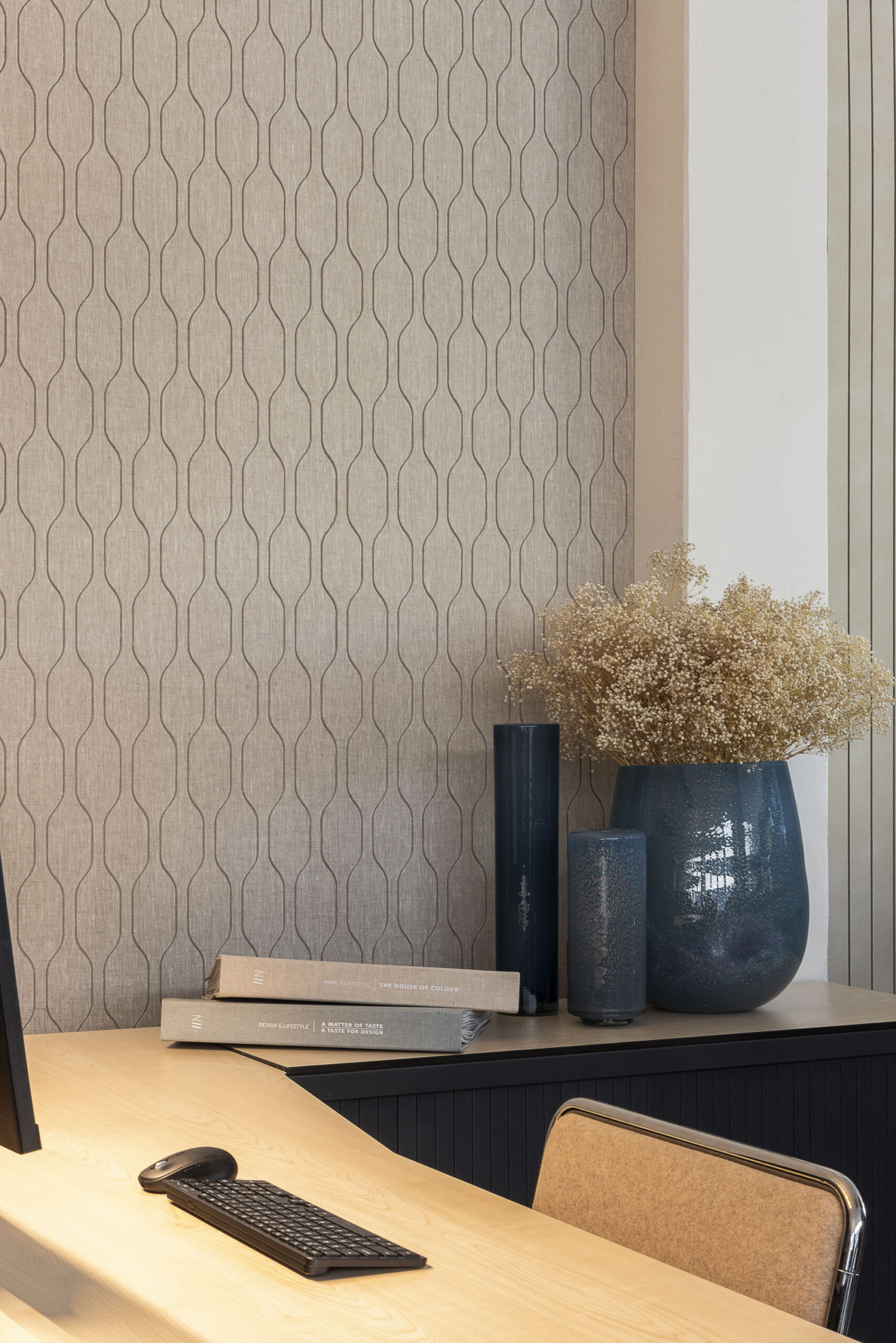
Acoustic fabric panels for sound insulation in high end design
Unwanted echo, reverberation and poor acoustics disrupt the harmony of a space. Acoustic fabric panels offer a stylish and effective solution to improve acoustics.
Our sound absorbing panels combine design and acoustic performance at a high level. While traditional panels are often purely functional, textile acoustic wall panels add an extra layer of luxury and customisation.
Why choose acoustic wall panels in fabric?
Effective sound absorption
Through the combination of high quality materials and advanced techniques, these panels reduce unwanted reverberation and background noise. This makes them ideal for spaces where optimal sound quality is required, such as luxury homes, hotels, meeting rooms and hospitality environments.
A luxury upgrade for any interior
Where traditional acoustic panels often have a functional but plain appearance, fabric offers a wide range of custom finishes. From subtle textures to deep and warm tones, there is always an option that fits your interior concept.
Available fabric finishes include Suedine, Mehari, Coconut, Wombat, and Limbourg. Additional colour options are available on request.
Sustainable and innovative materials
Thanks to the use of sustainable materials and innovative techniques, these panels contribute not only to improved acoustics, but also to a more conscious interior design.
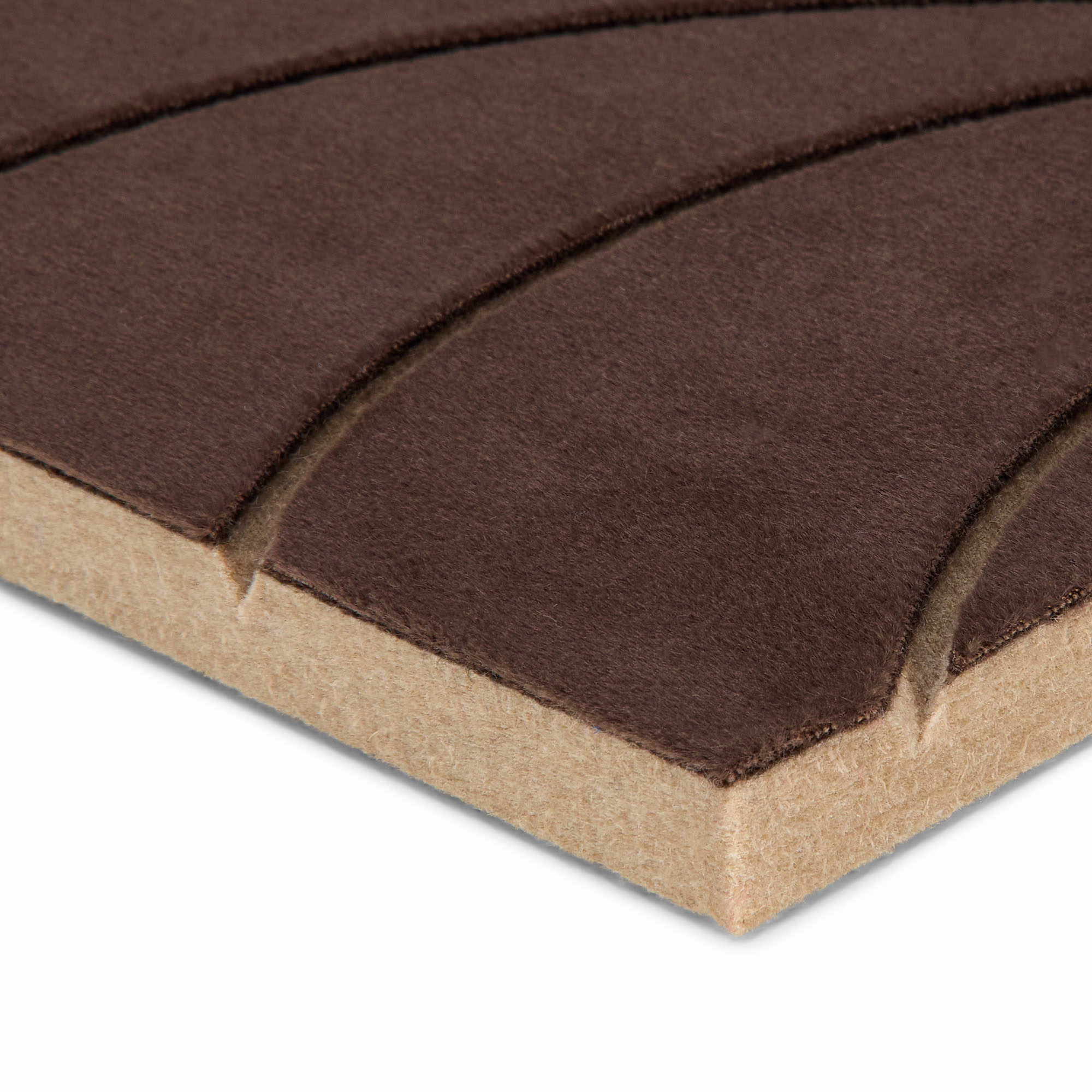
Panel without fabric finish consists of 60 percent recycled PET and 40 percent bicomponent fibres. A fire retardant option is available on request.
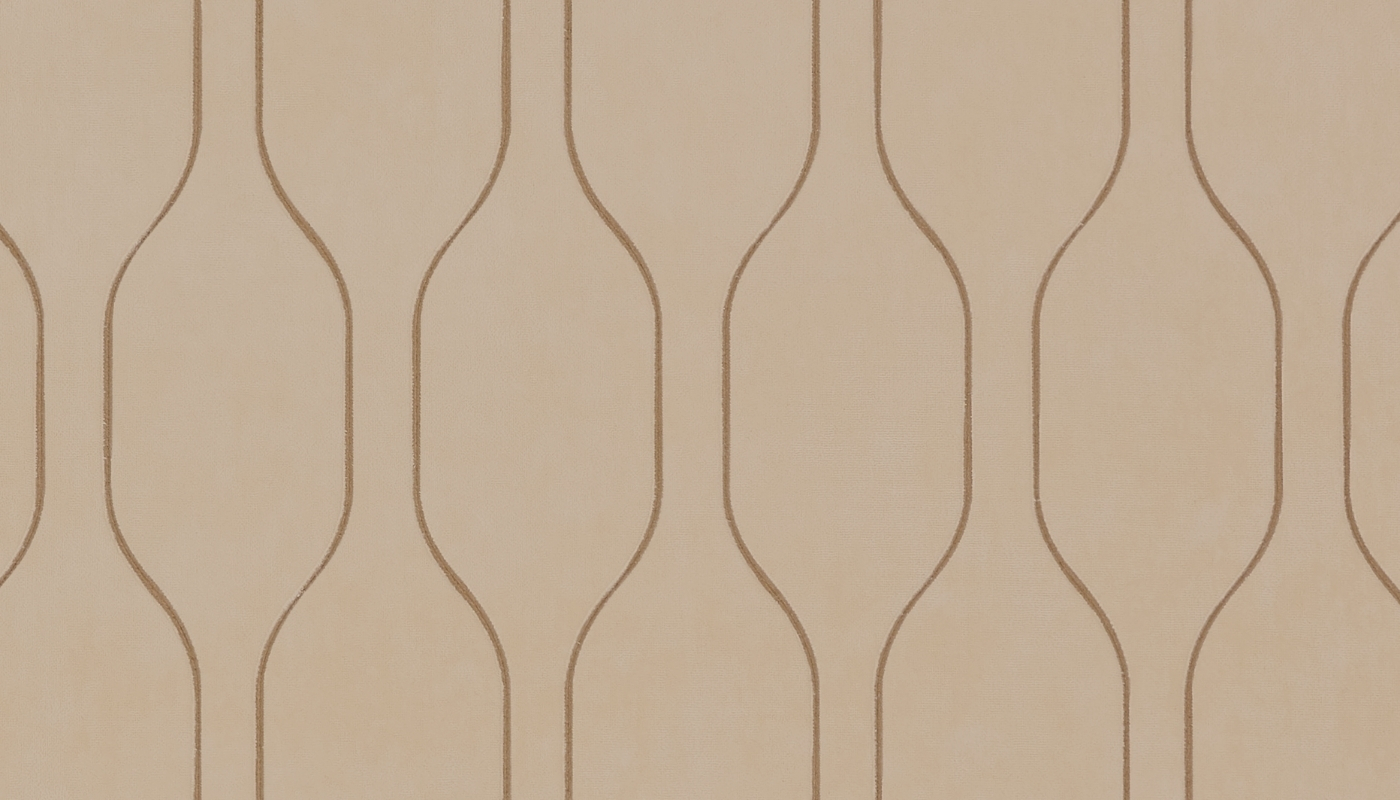
Fully custom made for your project
Dimensions and shapes range from discreet wall panels to more prominent design elements. Materials and colours can be selected from a wide range of exclusive fabrics and textures. Installation options allow for seamless integration or a more visible architectural statement.
Each solution is created to match your interior and acoustic requirements.
Limited availability of exclusive fabrics.
request a sampleHow acoustic fabric panels work?
Acoustic fabric panels are designed to absorb sound waves rather than reflect them. This is achieved through a combination of sound absorbing materials and specially developed textiles.
The result is less echo, improved speech intelligibility and a more pleasant acoustic environment without compromising on design.
What to consider when choosing acoustic panels?
- Absorption value (NRC)
The higher the value, the more sound is absorbed. - Thickness and material
Thicker panels perform better at lower frequencies. - Design and finish
Choose a finish that fits the interior and enhances the overall aesthetic. - Installation options
Ensure the installation method suits the space.
Technical details and acoustic performance
The effectiveness of acoustic panels is determined by their ability to absorb and reduce sound waves. Our panels are tested according to ISO 11654 and ASTM C423 standards and provide reliable acoustic performance.
Sound absorption value (αw / SAA) depends on the installation method:
Directly mounted to the wall
αw = 0.35 (MH) / SAA = 0.49
Mounted with a 20 mm air gap using a French cleat
αw = 0.50 (MH) / SAA = 0.64
Frequency optimisation is aimed at speech, music and ambient sound.
The panels consist of multiple layers including textile, an acoustic core and an air gap for improved performance.
Installation is straightforward. Panels can be mounted using a French cleat system for removable installation or glued using high tack adhesive. When using adhesive, the edges and centre should be applied every 20 to 40 cm. A clear installation guide is included.
The panels consist of 60 percent recycled PET and 40 percent PET (bicomponent fibres). A fire retardant certificate is available on request.
Download the technical datasheet for exact values and installation options and discover how acoustic fabric panels can optimise your space.
Where to place acoustic panels for the best effect
Proper placement is important for maximum sound absorption and optimal acoustic performance. Placement depends on the space and the sound source.
Living spaces
Behind furniture, on large empty walls and in open areas to create a calm and acoustically balanced environment.
Meeting rooms and boardrooms
On walls and ceilings to improve speech intelligibility and reduce echo.
Hotels and restaurants
Strategically placed on walls and behind seating areas to create a quieter atmosphere.
Retail and boutiques
Placed in key areas to create a premium experience without distracting background noise.
Wellness and spa environments
Integrated into the interior to support relaxation and a calming sound experience.
Experience it yourself
Are you looking for an exclusive and effective acoustic solution for your space
Schedule a consultation to explore the possibilities or request a sample today.

Frequently asked questions
Are sound absorbing wall panels effective against reverberation?
Yes, these panels significantly improve acoustics and reduce echo. The effect depends on the installation method.
- Direct wall mounting
αw = 0.35 (MH) - Mounted with a 20 mm air gap
αw = 0.50 (MH)
How should I install the panels?
Panels are supplied with a clear installation guide. DWC does not offer installation services, but both methods are easy to carry out independently.
- Adhesive mounting using high tack adhesive (DWC Glue)
- Mounting with a French cleat system for removable installation
Do acoustic panels provide sound insulation?
DWC acoustic panels are primarily designed for sound absorption, not soundproofing. They reduce echo and reverberation within a space. For sound insulation between rooms, additional construction is required.
How thick are the panels?
The standard thickness is 9 mm with dimensions of 60 cm by 278 cm. For improved absorption of lower frequencies, a thicker 18 mm version is available at an additional cost of 50 euros per panel. This version is also available in a width of 120 cm.
How effective are acoustic panels?
Acoustic fabric panels are designed to reduce ambient noise and improve speech intelligibility. The effectiveness depends on panel size, placement and material choice.